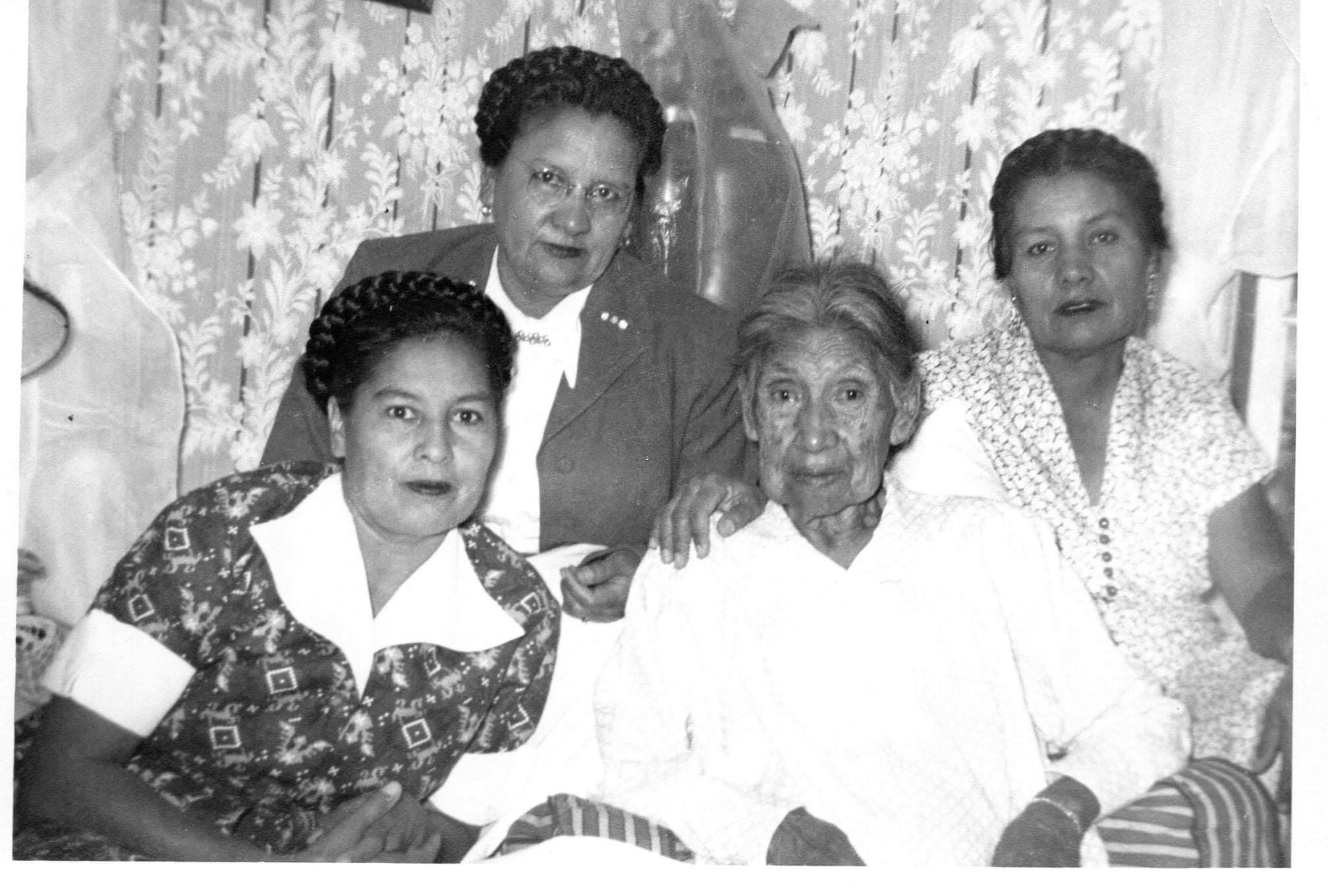
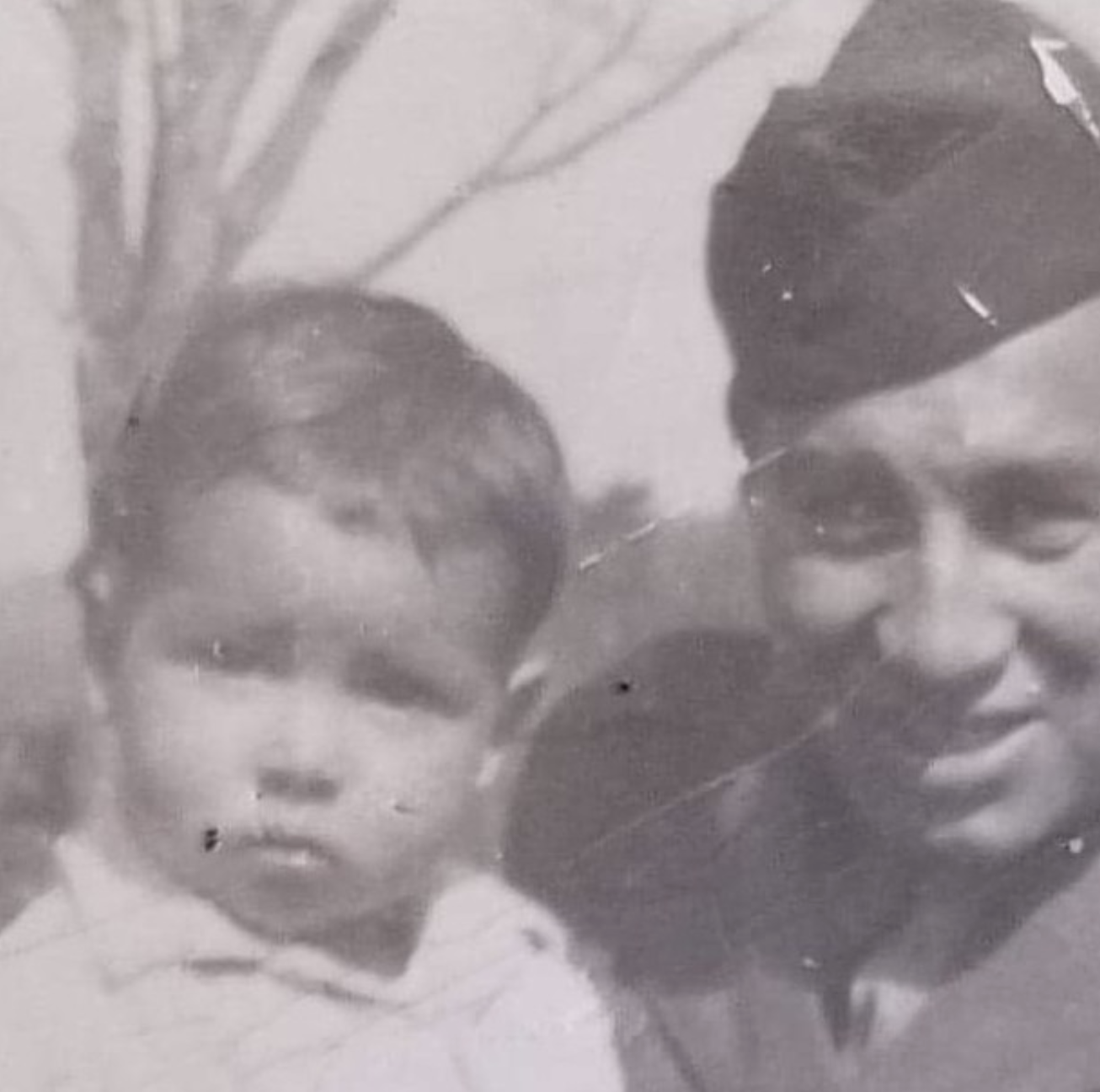
I am a citizen of the Chickasaw Nation. So are my children, as are many amazing siblings, cousins, and living ancestors throughout the U.S., Canada, and South America. Each of these family members brings their unique gifts to the Chickasaw legacy.
Our family's roots in the Chickasaw Nation go deeper than any government record.
Factor, Hawkins, Corley, Couchman, and Hampton — these are our Chickasaw family names, woven through generations of records, allotment, and migrations.
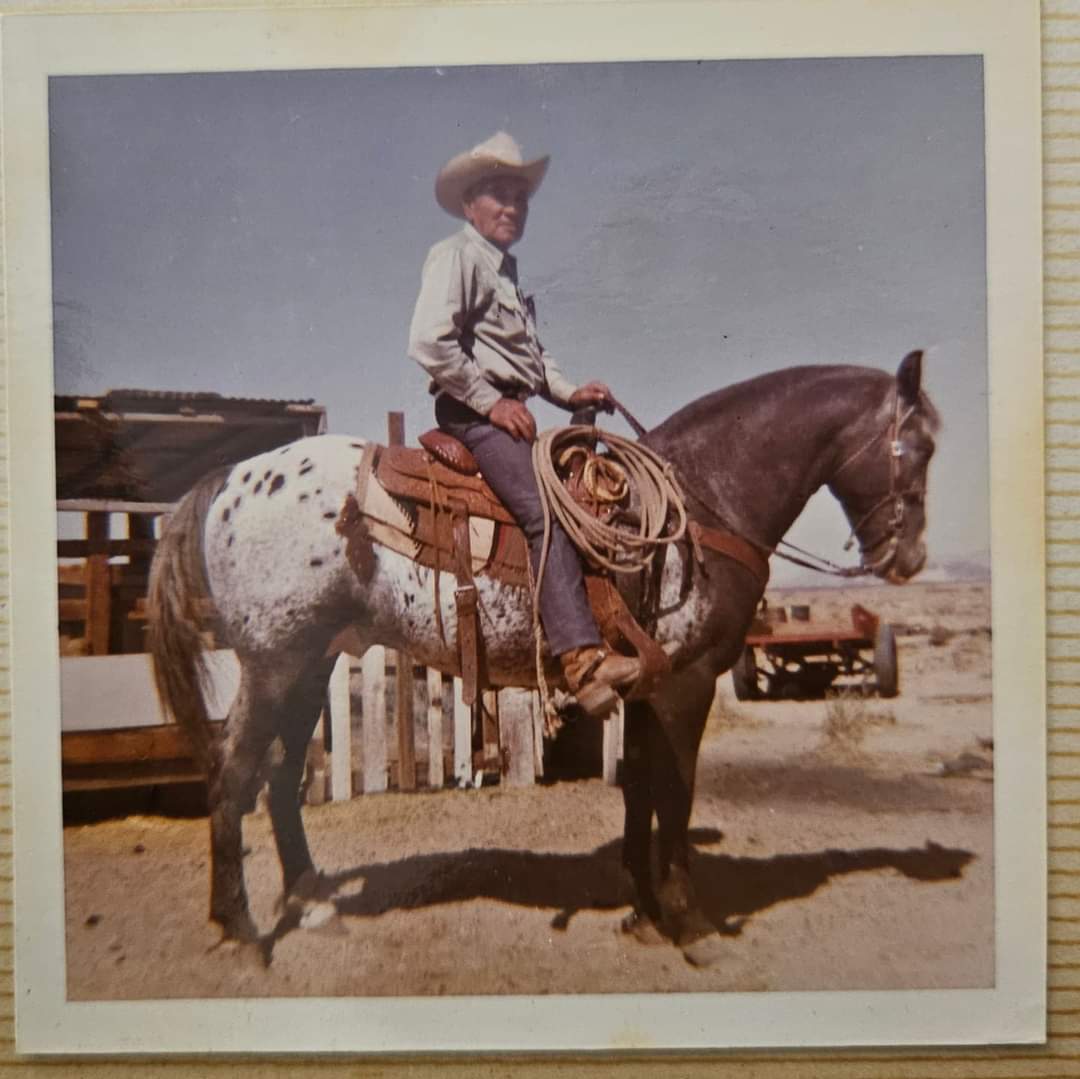
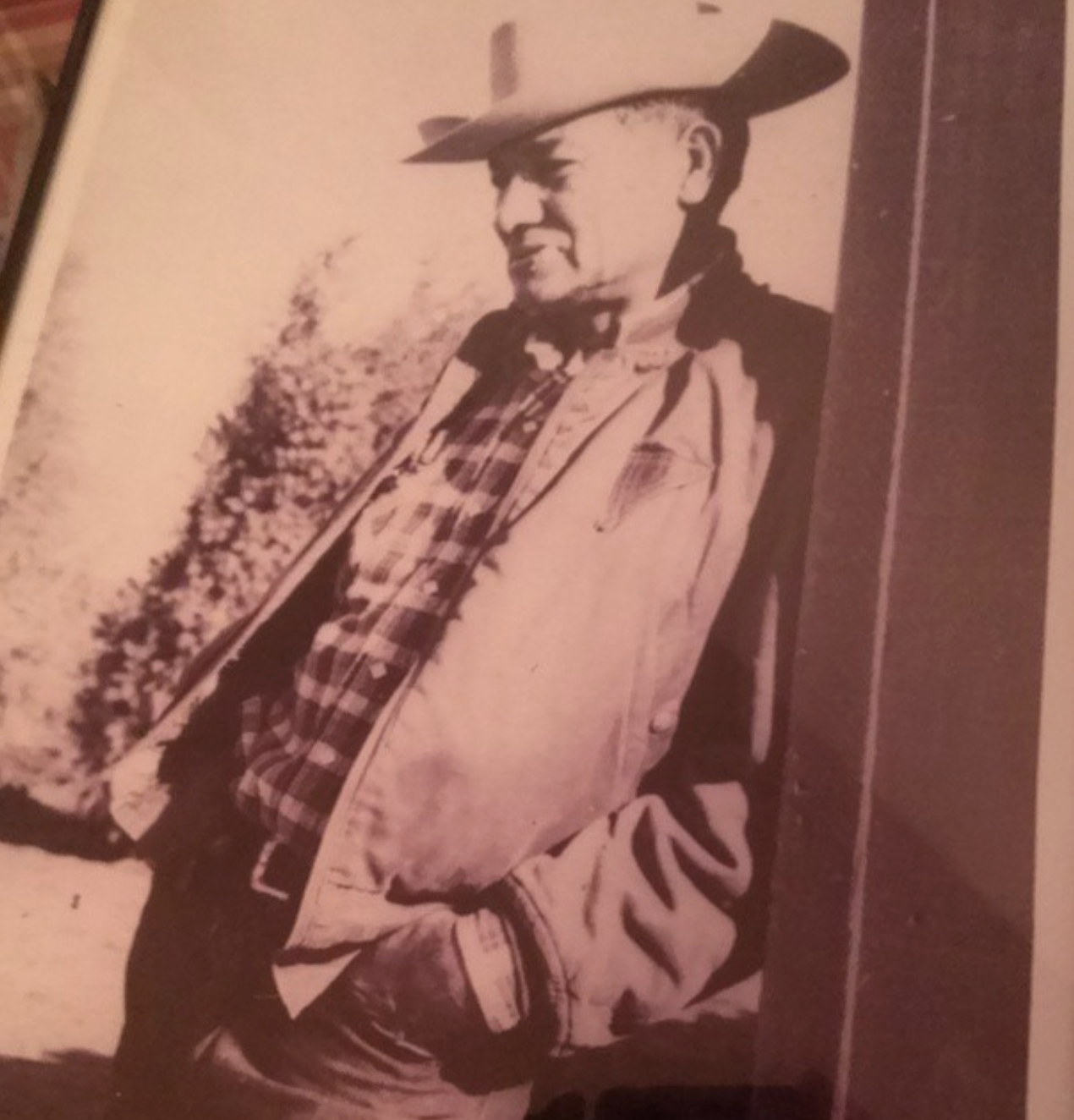
My grandfather, Eber "Bo" Hampton, was a Chickasaw cowboy. Born to Mary Hawkins and Jesse Hampton, he grew up on the family allotment in Indian Country. Like many Chickasaw folks of his generation, Bo left Indian Country — bringing his children west to settle in California's Central Valley. He made his home around Manteca, Stockton, and Modesto, and raised a family. He was a bow maker, teaching his son Eber, who passed the skill to his sons.
I was born in Modesto and lived in Manteca as a boy — the same town Bo chose when he left Oklahoma. Bo died of a heart attack a year before I was born, but the stories followed him forward. Friends remembered him and his love of horses decades later.
From Bo's family came a generation that would carry their Chickasaw legacy in ways he might not have predicted but would have been proud to witness. His son, my uncle Eber Hampton, became a leader in the world of Indigenous education and institution-building. My sister Sierra has spent five years traveling to Oklahoma to study Chickasaw food sovereignty. And I carry Bo's name and his instinct for grassroots self-determination into my own work, even when the tools look different.
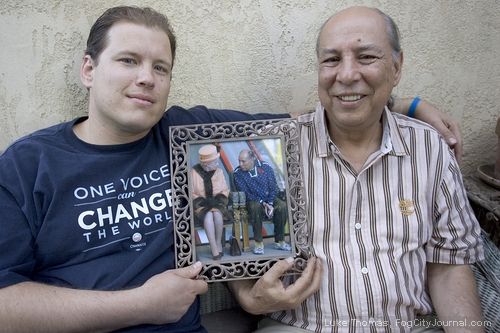
President, First Nations University of Canada, 1991–2005 · Canadian Commission for UNESCO
My uncle Eber was born in Talihina, Oklahoma, at the Indian hospital that was closest to our family allotment. After Bo moved the family to California, Eber grew up there and went on to study psychology before finding his life's work in Indigenous education. He led the Harvard American Indian Program, worked in land-based education in Alaska, then in 1991 was appointed president of the Saskatchewan Indian Federated College in Regina.
Over thirteen years, he helped transform the institution into its current form, First Nations University of Canada. He was instrumental in overseeing the construction of a striking new campus designed by architect Douglas Cardinal, which opened in 2003. Queen Elizabeth II presented the university with a stone from Balmoral Castle during Saskatchewan's centennial in 2005. Eber served on the Canadian Commission for UNESCO and has been celebrated for his leadership in Indigenous education.
Eber showed our family what it looks like to build sovereign institutions — not to fit into someone else's system, but to create your own.
Executive Director & CEO, MacKenzie Art Gallery · First Indigenous director of a major Canadian public gallery
My cousin John, Eber's child, grew up in Regina and is a curator, artist, and administrator. In 2020, they became the first Indigenous person to lead a major public art gallery in Canada when they were appointed Executive Director and CEO of the MacKenzie Art Gallery. Their work centers on decolonial curatorial practice and what they call "cultural health."
John is a citizen of the Chickasaw Nation, the United States, and Canada — a reminder that the borders drawn across our continent don't define who we are. They co-chair the Steering Committee for the Canadian Arts Summit, formerly co-chaired the board of the Indigenous Curatorial Collective, and hold several other advisory positions across Canada.
John's leadership in the Canadian art world represents something our family takes seriously: the idea that Indigenous people don't just participate in institutions — we lead them. John also studies and practices speaking and writing Chikashshanompa', the Chickasaw language.
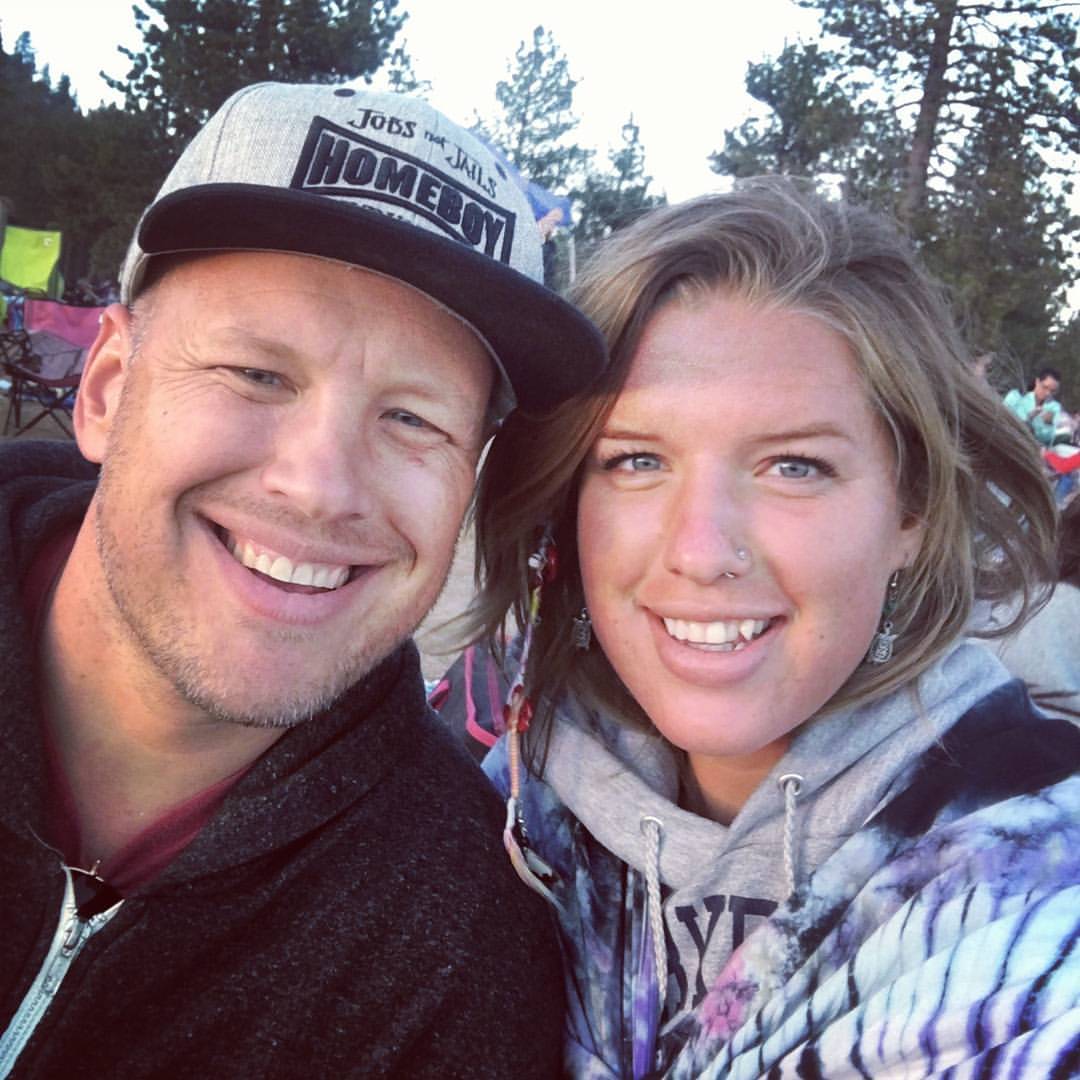
UC Berkeley Chancellor's Fellow · PhD Candidate, Environmental Science, Policy & Management · Chickasaw Food Sovereignty Researcher
My sister Sierra Hampton is completing her PhD at UC Berkeley, where she is a Chancellor's Fellow. Her dissertation is a community-based study focused on how Chickasaw citizens and the Nation navigate challenges and strengthen our food sovereignty. Over the past five years, she has conducted participatory research with dozens of Chickasaw citizens — talking with people about hunting, fishing, gardening, cooking, seed keeping, and the values behind those practices.
She has traveled to Oklahoma for months at a time, funded in part by Chickasaw Nation Higher Education Grants and foundation scholarships that supported her education from community college onward. Before turning her focus to the Chickasaw Nation, Sierra studied Māori self-determination in Aotearoa (New Zealand) for her master's thesis at Lund University in Sweden.
Sierra's work isn't purely academic. She has volunteered extensively at the Chickasaw Cultural Center in Sulphur — working in their gardens, contributing to programming, and building relationships with Nation departments and citizens on the ground. She recently purchased a plot of land in Sulphur — a permanent stake in the community where she has spent years doing this work. When she told me about it in the summer of 2024, she said: "Well the Hampton name is back in Oklahoma, I bought property in Sulphur!"
In 2024, she presented "Chickasaw Food Sovereignty: From Yesterday to Today" at the Chickasaw Historical Society's annual Ittafama Ithana (Gathering to Learn) Conference. In February 2026, the Chickasaw Cultural Center hosted her again for a public presentation on her research findings, livestreamed to over a thousand viewers. She plans to turn her dissertation into a book for the public.
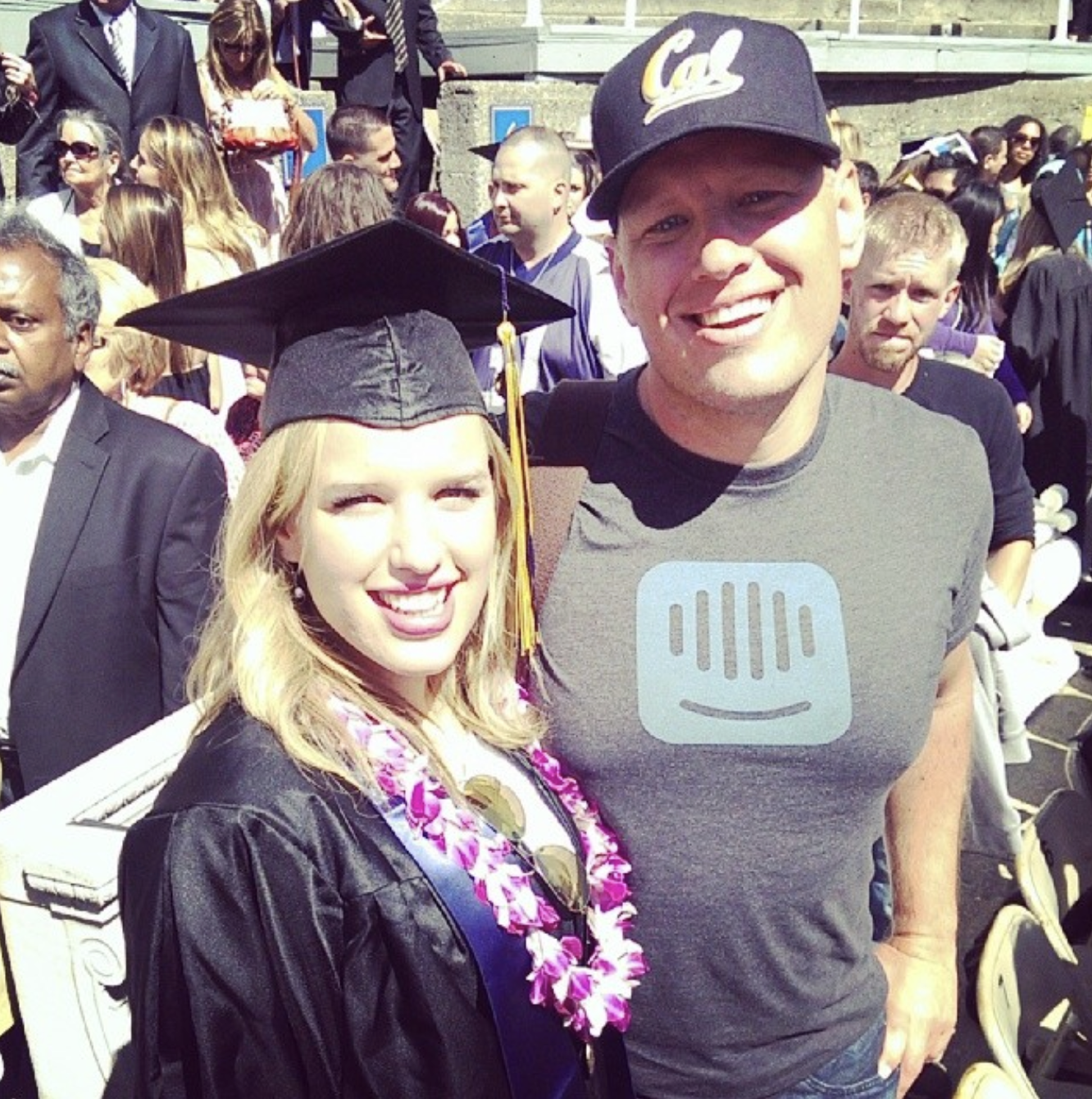
I work in grassroots organizing and digital strategy. I help organizations build power from the ground up — identifying supporters, shaping messages, creating community. The language I use is the language of campaigns and advertising, but the instinct behind it comes from somewhere older.
In 2009, when I ran for Congress in the San Francisco East Bay — the first congressional campaign launched on Twitter — the Chickasaw Times covered it under the headline "California Chickasaw running for open House seat in San Francisco district." I was proud to be claimed by the Nation's own newspaper as one of their people.
Sovereignty is not an abstract concept to me. I come from a family that has spent decades building sovereign institutions — a university, a gallery, a body of research rooted in Chickasaw knowledge. My grandfather Bo exercised sovereignty the way working people do: by choosing where to live, how to raise his family, and what kind of life to build.
The Chickasaw Nation itself is one of the most effectively governed Indigenous nations in the United States, with a long history of self-determination that predates and outlasts every federal policy imposed upon it. Under the five-decade leadership of Chickasaw Governor Bill Anoatubby, tribal funding, operations, and assets have grown exponentially. A member of our Nation represents Oklahoma in the U.S. House of Representatives. We are unconquered and unconquerable.
When I talk about grassroots power, I'm drawing on that tradition — the belief that communities have the right and the capacity to govern themselves, feed themselves, educate themselves, and tell their own stories. That's what sovereignty means. That's what my family has been doing for generations, from Indian Country to the Central Valley to Saskatchewan to Ada, Oklahoma and back again.
I am a Chickasaw citizen, living and working in California, continuing our family legacy with my three Chickasaw sons.
Chikashsha poyakat iláyya'sha katihma.
The Chickasaw Nation is headquartered in Ada, Oklahoma. To learn more about Chickasaw history, culture, and programs, visit chickasaw.net. To explore Chickasaw media and storytelling, visit chickasaw.tv.